If you’ve been considering a chemical peel but aren’t quite sure what to expect, understanding the chemical peel process can make all the difference. Chemical peels are popular exfoliating treatments that can help improve skin texture and tone, and address concerns like acne, hyperpigmentation, and signs of aging.
In this guide, we’ll walk you through the chemical peel process step-by-step, so you can feel confident, prepared, and excited about your upcoming treatment.
What Is a Chemical Peel?
Chemical peels are professional skin resurfacing treatments that utilize acids to exfoliate the outermost layers of your skin. By removing the dull, damaged skin cells on the surface of your skin, chemical peels can help stimulate cellular turnover to reveal smoother, brighter, and more even-looking skin. Peels range from light to medium depth, allowing your provider to tailor the treatment to your skin type, lifestyle, and desired level of downtime.
What Can Chemical Peels Treat?
Chemical peels can treat a wide range of concerns, including acne, acne scars, fine lines, wrinkles, hyperpigmentation, sun damage, and uneven texture or tone.
The Chemical Peel Process Step by Step
Understanding the chemical peel process helps eliminate uncertainty and ensures you know exactly what to expect from start to finish.
Step 1: Consultation & Skin Assessment
Every chemical peel begins with a personalized consultation. During this step, your provider will evaluate your skin type, discuss your concerns, and determine the most appropriate peel for your needs.
This is where customization happens. Whether you’re targeting acne, pigmentation, or overall rejuvenation, your treatment plan will be designed specifically for you.
You’ll also receive pre-treatment instructions, which may include avoiding certain skincare products or sun exposure in the days leading up to your appointment.
Step 2: Prepping the Skin
On the day of your treatment, your skin will be thoroughly cleansed to remove oil, makeup, and impurities. A degreasing solution is often applied to ensure the chemical solution penetrates evenly and effectively.
Sensitive areas—such as the corners of the nose, lips, and eyes—may be protected with a barrier ointment. This step is essential in ensuring both safety and optimal results during the chemical peel process.
Step 3: Application of the Chemical Solution
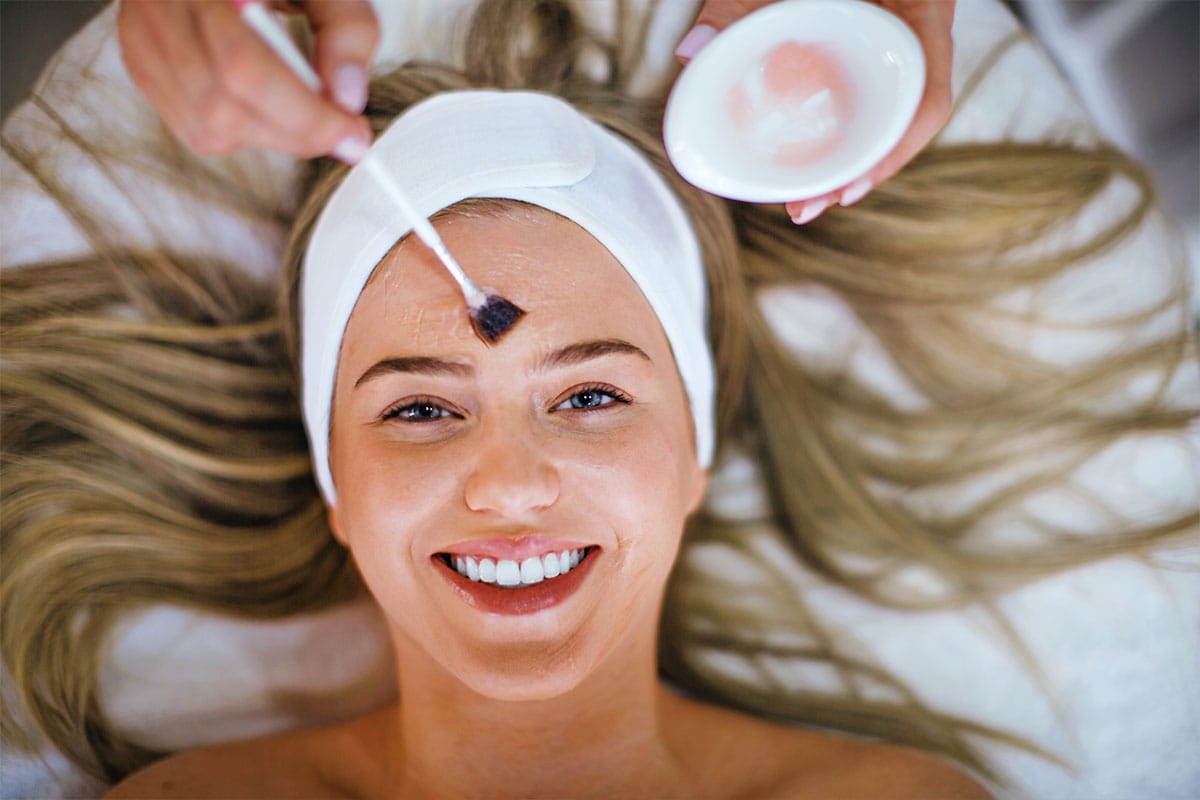
Once your skin is prepped, the chemical solution is applied using a brush, gauze, or applicator. This is where the active ingredients begin working to exfoliate the skin.
You may feel:
- A mild tingling sensation
- Warmth
- Slight stinging (depending on peel strength)
These sensations are completely normal and typically short-lived. Your provider will monitor your skin closely throughout the application to ensure comfort and safety.
Step 4: Neutralization
Not all peels require neutralization, but for those that do, this step stops the chemical reaction and soothes the skin.
A neutralizing solution or cool compress may be applied, helping to calm any lingering sensation. This marks the completion of the active portion of the chemical peel process.
Step 5: Post-Treatment Products
After the peel is complete, your provider will apply nourishing, calming products to support your skin barrier. This typically includes:
- Hydrating serums
- Barrier-repair creams
- Broad-spectrum SPF
Sun protection is especially important after a peel, as your skin will be more sensitive to UV exposure.
What Does a Chemical Peel Feel Like?
One of the most common questions patients have is about comfort. While experiences can vary, most people find chemical peels very tolerable.
Lighter peels typically feel like a mild tingling or warming sensation, while medium-depth peels may feel more intense for a short period. However, the treatment is quick, and any discomfort usually subsides shortly after the solution is removed or neutralized.
Understanding what it feels like is an important part of the chemical peel process, helping you feel more relaxed and confident going into your appointment.
Who Is a Good Candidate for a Chemical Peel?
Chemical peels are suitable for a wide range of skin types and concerns. You may be a good candidate if you’re looking to improve:
- Acne or acne scars
- Sun damage and discoloration
- Fine lines and early signs of aging
- Uneven skin tone or texture
The best way to determine your candidacy is through a professional consultation, where your provider can recommend the ideal peel for your skin and goals.
Chemical Peel Recovery Timeline
A key part of the chemical peel process is understanding what happens after your treatment. Here’s a general timeline of what to expect:
Days 1–2
- Mild redness (similar to a light sunburn)
- Tight or dry feeling
- Skin may appear slightly darker before peeling begins
Days 3–5
- Peeling and flaking start
- Skin sheds in small or moderate amounts
- It’s important not to pick or peel the skin manually
Days 5–7
- Peeling subsides
- Fresh, smoother skin is revealed
- Noticeable improvement in tone and texture
Chemical Peel Aftercare Tips
Proper aftercare is essential to protect your results and support healing after the chemical peel process.
Follow these guidelines:
- Avoid direct sun exposure and wear SPF daily
- Skip exfoliating products until your skin is fully healed
- Use gentle, hydrating skincare
- Keep your skin moisturized
- Avoid picking or peeling flaking skin
Following these steps will help ensure optimal results and minimize the risk of irritation.
Chemical Peels at Reign Medical Aesthetics
At Reign Medical Aesthetics, chemical peels are never one-size-fits-all. Each treatment is customized based on your skin type, concerns, and goals to ensure safe, effective, and natural-looking results.
Our experienced providers guide you through the entire chemical peel process, from consultation to aftercare, so you feel confident every step of the way. Whether you’re looking to refresh your complexion or address more targeted concerns, we’re here to create a treatment plan tailored to you.
Medically reviewed by Nicole Casavant, PA-C
Ready to Experience the Benefits of a Chemical Peel?
If you’re ready to reveal smoother, brighter, more radiant skin, a customized treatment may be the perfect place to start.
Schedule your consultation with Reign Medical Aesthetics today to learn more about the chemical peel process and discover the best approach for your skin.